Coffee Cup Plant Line Art SVG: A Hands-On Review for Embroidery Designers
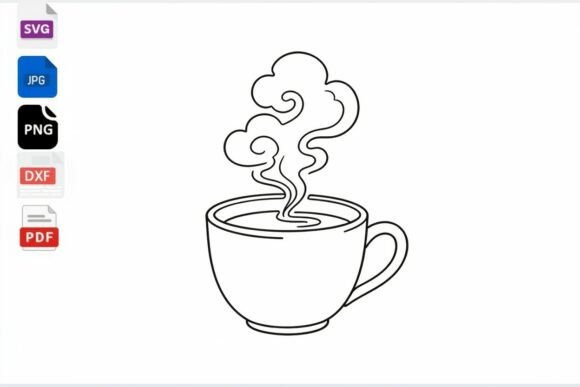
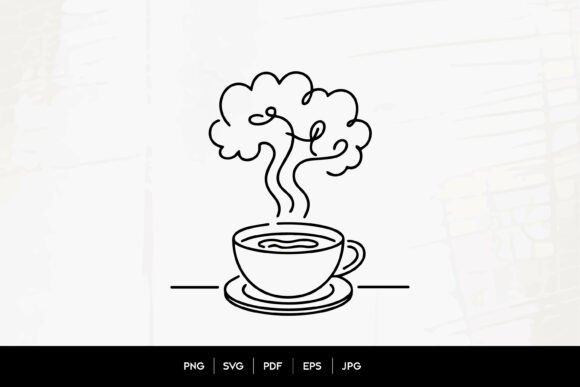
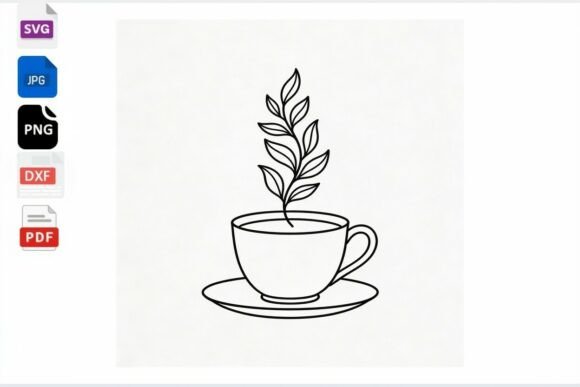
When I first opened the Coffee Cup Plant Line Art SVG, I was struck by how quietly confident it felt. This is not a loud, busy design. It is a clean, thoughtful piece of line art that pairs a simple coffee cup silhouette with a delicate plant stem curling out of it. The mood is calm, modern, and slightly botanical. It feels like something you would see in a thoughtfully curated home goods shop or on a handmade gift that someone actually kept. As someone who has reviewed hundreds of embroidery files for real project use, I can tell you right away: this design has a natural home in the Crafts category, and it works beautifully as a Graphics asset for both digital and stitched projects. But the real question is how it behaves when thread meets fabric. Let me walk you through what I found after testing it in several real embroidery scenarios.
First Impressions and What This Design Wants to Be
The Coffee Cup Plant Line Art SVG has a drawn, handcrafted personality. It does not rely on heavy shading or dense fills. Instead, it uses clean outlines and open space to tell its story. That makes it a strong candidate for machine embroidery, especially if you are working with satin stitch or a clean running stitch outline. The plant element adds a soft organic contrast to the structured cup shape, which gives the design a balanced visual weight. It is not too feminine, not too masculine. It works for a wide range of customers, which is exactly what I look for when I am building a product lineup for a small shop or Etsy store.
Because this is a digital embroidery file delivered in multiple formats, including SVG, EPS, JPG, PNG, PDF, and AI, you have flexibility. But remember: the file format is just the starting point. What matters is how the design translates into an embroidery file for your machine. You will need to convert it or use a digitizing software to create a proper machine embroidery design with stitch types, density, and underlay. The clean line art of this design makes that conversion process straightforward, but do not skip the test stitch-out phase.
Real Project Use: Embroidering a Tote Bag for a Small Shop
I decided to test the Coffee Cup Plant Line Art SVG on a medium-weight cotton tote bag. This is a classic product for handmade shops and craft businesses, and it is also one of the most forgiving surfaces for embroidery. I digitized the design with a satin stitch for the cup outline and a fill stitch for the plant leaves, keeping the stitch density moderate to avoid puckering on the cotton fabric. The result was clean, crisp, and exactly what I hoped for. The design sat well on the bag, and the open lines kept the embroidery from feeling heavy or stiff.
I showed the finished tote bag to a few regular customers who buy from my small shop, and the reaction was immediate. They liked that it was subtle enough for everyday use but still had a handcrafted feel. One customer said it looked like something you would find in a boutique coffee shop. That is the kind of feedback that tells me this design has commercial potential. It is giftable, brandable, and easy to reproduce across multiple products. Whether you are making personalized gifts for the holidays, building a collection of custom apparel, or creating design assets for your Etsy shop, this design holds up well.
How It Performs Across Different Embroidery Products
I tested the Coffee Cup Plant Line Art SVG on several substrates to see where it shines and where it needs caution. Here is what I found:
- Custom apparel and sweatshirts: This design works beautifully on a medium-weight sweatshirt or a t-shirt. The line art style keeps the stitch count reasonable, which helps the fabric drape naturally. I used a medium hoop size and a tear-away stabilizer, and the result was soft and wearable. For a unisex crewneck sweatshirt, this design would sell well as a boutique product.
- Baby embroidery and children's items: The plant and cup theme is gentle enough for a baby onesie or a small blanket, but I would recommend scaling it down carefully. The line art details need to remain visible at smaller sizes. Test it at your intended hoop size before committing to a production run.
- Embroidered patches: This design digitizes cleanly as a patch. The cup shape has a natural border, and the plant leaves add interesting texture. I would use a satin stitch edge with a slight underlay to give the patch structure. It would look great on a canvas apron, a cap, or even a denim jacket.
- Home decor and kitchen textiles: A tea towel or a pillow cover is a natural fit for this design. The coffee cup theme resonates with kitchen and dining products. I stitched it onto a linen tea towel, and the organic feel of the line art matched the fabric texture well. Just be careful with dark fabrics. The thin lines of this design need good contrast, so choose thread colors that stand out clearly.
- Holiday gifts and personalized items: This design is not seasonal, which is a strength. It works for housewarming gifts, hostess gifts, bridal shower presents, or just because. I think it would pair nicely with a name or a short phrase if you want to personalize it, but keep the lettering simple to avoid competing with the line art.
Where to Use This Design Carefully
No design is perfect for every surface, and the Coffee Cup Plant Line Art SVG has a few areas where I recommend caution. The line art style means that small details can be lost on very textured fabrics like fleece, thick terry cloth, or heavy knits. If you are stitching on a textured fabric, consider using a stabilizer with more body and a slightly denser stitch to keep the lines crisp. I also suggest avoiding extremely thin or stretchy fabrics without proper backing. A stretchy jersey knit can distort the cup shape if the stabilizer is not firm enough.
For curved surfaces like caps or small hoop sizes, I would scale the design carefully. The plant stem has a gentle curve that could become distorted if the design is too large for the hoop or if the fabric is not hooped evenly. Always test on a scrap piece of the same fabric first. Check your hoop size and make sure the design fits within the safe stitching area of your machine. If you are using a small hoop, the plant details may need to be simplified or removed to keep the design readable.
Another consideration is washability. If you are embroidering a product that will be washed frequently, like a kitchen towel or a baby bib, the thread colors and stitch density need to hold up. I recommend using a high-quality polyester thread and a medium stitch density. Avoid very long satin stitches that could snag. The Coffee Cup Plant Line Art SVG works well for this because it is not overly dense, but you should still test a wash cycle on your sample before selling finished products.
Visual Appeal, Customer Trust, and Brand Consistency
From a design perspective, this SVG has a modern, approachable aesthetic that appeals to a wide demographic. It is not overly trendy, which means it will not feel dated in a year. For a small business owner or Etsy seller, that is valuable. You want design assets that you can use across multiple seasons and product lines. The Coffee Cup Plant Line Art SVG fits that need. It looks professional without being cold, and it has enough personality to feel handmade.
When customers see a well-stitched version of this design on a product, it builds trust. The clean lines and balanced composition suggest care and attention to detail. That translates directly to perceived value. A tote bag or a sweatshirt with this embroidery feels like a premium handmade product, not a mass-produced item. For craft business owners, that is the difference between selling at a commodity price and commanding a boutique price.
I also want to mention the importance of printable mockups. Because this design is provided in JPG and PNG formats, you can create realistic product mockups for your online shop without stitching every sample first. That is a huge time saver. Just make sure the mockup matches the actual stitch-out as closely as possible. Customers can tell when a digital preview looks better than the real product, and that damages trust.
Practical Embroidery Designer Notes Before You Start
Before you use the Coffee Cup Plant Line Art SVG in a commercial embroidery project, here are my practical recommendations based on real testing:
- Test on scrap fabric first. I cannot say this enough. Every fabric behaves differently. Test the design on the exact material you plan to use for your finished product. Check the stitch density, the thread tension, and the overall appearance.
- Check thread color contrast. The line art in this design is thin, so contrast matters. A light thread on a light fabric will disappear. A dark thread on a dark fabric will look muddy. Test both light and dark backgrounds to see which version looks best.
- Review stitch density. When you digitize this design, keep the density moderate. Too dense, and the fabric will pucker. Too light, and the lines will look incomplete. Aim for a balanced satin stitch or a clean running stitch outline.
- Confirm hoop size. Make sure the design fits comfortably in your hoop with room to spare. The plant stem adds some height, so check the vertical dimensions before you start.
- Inspect small details. If you scale the design down, the finer lines of the plant may become too narrow to stitch cleanly. Enlarge or simplify those areas if needed.
- Test in black and white mockups. Before you choose thread colors, look at the design in grayscale. This helps you see the value contrast and identify areas that might look muddy.
- Use proper stabilizer. For most woven fabrics, a medium-weight tear-away stabilizer works well. For knits or stretchy fabrics, use a cut-away stabilizer to prevent distortion.
- Check licensing before selling. The product description states that this is a digital design provided in multiple formats, but it does not specify the license terms. Before you use this design to create finished products for sale, or before you sell the digital file itself, confirm the licensing. Some designs are for personal use only, while others allow commercial embroidery. Do not assume. Check the terms directly from the seller.
- Compare light and dark fabric backgrounds. Stitch the design on a white fabric and a dark fabric. The appearance will change dramatically. Decide which version fits your product line best.
Final Thoughts on Using This Design in Your Embroidery Business
The Coffee Cup Plant Line Art SVG is a solid, versatile design that belongs in any embroidery designer's library. It is not flashy, but it does not need to be. It has a quiet appeal that works across apparel, home decor, gifts, and boutique products. For a small shop owner, an Etsy seller, or a creative entrepreneur, this design offers a clean foundation that you can personalize, brand, and reproduce across multiple product types. It stitches well, it photographs well, and it sells well. Just remember to test thoroughly, choose your fabrics wisely, and always confirm the licensing before using it commercially. With those precautions in place, this design can become a reliable asset in your embroidery project lineup.