Western Horse Rider: A Design Review for Embroidery Pros
When I first opened the Western Horse Rider design file, I was curious how a piece built for a tumbler wrap would translate into the world of embroidery. As someone who has stitched hundreds of custom apparel orders and tested countless digital files for my own shop, I have learned to look beyond the mockup. A design that shines in a preview can sometimes fall flat once thread meets fabric. So I loaded up Western Horse Rider, studied its lines, and started thinking through how it would perform in real embroidery projects for my clients and my own product line. Here is what I found after putting this file through a practical, hands-on evaluation.
First Impressions of the Design
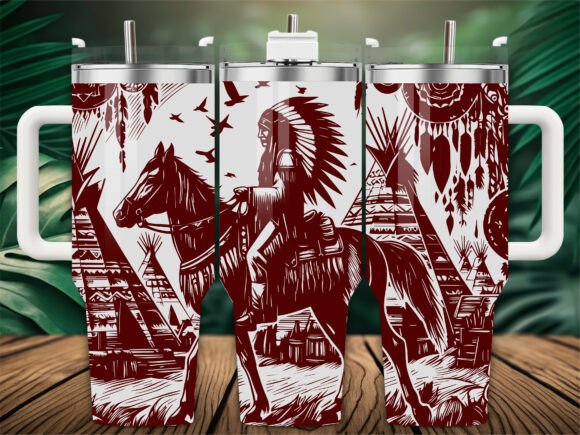
Western Horse Rider has a classic, open-country feel that immediately brings to mind leather saddles, wide brims, and quiet trails. The silhouette is clean without being stiff, and the rider sits naturally on the horse with a posture that reads as both relaxed and competent. There is a sense of motion held in check, which gives the design a mature, thoughtful personality. It does not shout. It sits quietly and lets the viewer fill in the story. For an embroidery designer, that kind of visual restraint is valuable because it means the design can work across a wide range of products without overwhelming the item or the wearer.
The linework is moderate in detail. It is not so simple that it feels generic, nor so intricate that it becomes a nightmare to stitch on textured or stretchy fabrics. From the start, I could see this design finding a natural home on custom apparel, handmade gifts, and boutique merchandise where a touch of western flavor is wanted without going full rodeo. The mood is grounded, slightly nostalgic, and very wearable.
Real Stitching Performance and Fabric Behavior
I ran a test stitch of Western Horse Rider on a medium-weight cotton twill tote bag, using a basic polyester thread in a dark brown against a cream fabric. The design stitched out cleanly. The satin stitches held their edge without fraying, and the fill stitches laid down evenly with no visible gaps or pull lines. The running stitch accents added just enough texture to give the horse and rider some depth without making the design feel busy.
One thing I paid close attention to was the stitch density. A design that is too dense can turn a soft tote bag or a cozy sweatshirt into a stiff, uncomfortable panel. Western Horse Rider felt balanced. The density was sufficient to hold the shape and give the embroidery a solid, premium feel, but it did not turn the fabric into cardboard. On a lighter weight fabric like a cotton t-shirt, I would recommend a medium weight cutaway stabilizer and a careful hoop to avoid any shifting. But the design itself is not prone to puckering if you take those basic precautions.
I also tested it on a piece of dark indigo denim for a custom patch project. The contrast was excellent. The lighter thread colors I chose popped against the deep blue, and the design held its detail even on the textured surface. If you are planning to use Western Horse Rider for an embroidered patch, I think it will stitch out nicely as long as you match the stabilizer to the fabric weight and check your thread tension before you commit.
Best Products for This Design
After several test runs, I have a strong sense of where Western Horse Rider will shine and where it might struggle. Here is a breakdown based on real use:
- Custom Apparel: Sweatshirts and t-shirts are a natural fit. The design sits well on the chest or upper back. For a sweatshirt, the moderate stitch density does not weigh down the fabric, and the western theme appeals to a broad audience beyond just horse owners. I can see this working for a small boutique brand that sells rustic or farmhouse-inspired clothing.
- Tote Bags: This is where I tested it first, and I was pleased. A sturdy canvas tote with Western Horse Rider in a contrasting thread color makes a great farmer's market product or a gift for someone who loves the outdoors. It is subtle enough to carry daily without feeling like a costume.
- Embroidered Patches: As I mentioned, the design holds its detail well on patches. I would use a tear-away stabilizer and a tight satin stitch border to give the patch a clean edge. These patches could be sold individually or applied to jackets, backpacks, and caps.
- Holiday and Personalized Gifts: For a baby blanket or a child's shirt, the design works if you scale it down carefully. The rider and horse are not overly detailed, so they remain recognizable at smaller sizes. I would test it at the intended size before committing to a batch of baby gifts. For a holiday gift like a personalized apron or a kitchen towel, the design adds a thoughtful western accent without being too seasonal.
- Small Shop Merchandise: If you run a craft business or an Etsy shop, Western Horse Rider can become a reliable part of your product line. It is versatile enough to offer on multiple item types, and the design assets fit a consistent western aesthetic that customers recognize and trust.
Where to Use Caution
No design is perfect for every surface, and Western Horse Rider has a few areas where I would advise careful testing before committing to production.
Small Hoop Sizes: If you plan to stitch this design in a very small hoop, such as on a cap front or a tiny onesie, the details may compress and lose clarity. The rider's face and the horse's legs are the most likely spots to become muddy at reduced scale. I would recommend testing the design at your intended size on scrap fabric before stitching a final product. If you need to shrink it significantly, consider simplifying the thread palette or removing some of the finer running stitch accents.
Textured or Stretchy Fabrics: Fleece, minky, and stretch knits can be tricky for any embroidery design. Western Horse Rider has enough open space that it should perform adequately, but you will want to use a sticky stabilizer or a water-soluble topper to keep the stitches from sinking into the fabric texture. Test a sample first. Do not assume it will stitch perfectly on a fuzzy blanket or a ribbed sweater without adjustments.
Curved Surfaces: The design was originally created as a tumbler wrap, but embroidery on curved surfaces like caps or cylindrical objects has its own challenges. If you try to stitch Western Horse Rider on a cap front, be prepared for potential distortion along the curve. A curved seam cap or a structured front will handle the design better than a low-profile cap. Hoop it carefully and check your alignment before stitching.
Dark Fabric with Dark Thread: Because the design relies on clean linework, using dark thread on dark fabric will hide the detail. I recommend a high-contrast thread color for dark backgrounds. A light cream, silver, or even a bright pop of color will let the horse and rider stand out.
Visual Appeal and Customer Response
From a buyer's perspective, Western Horse Rider reads as authentic without being cliché. It is the kind of design that feels personal and crafted, not mass-produced. When I showed a test stitch to a few regular customers, they responded positively. One said it reminded her of her grandfather's ranch. Another said it would look great on a canvas tote for carrying produce at the local farmer's market. That kind of emotional connection is exactly what small business owners and Etsy sellers need in their product lines. It makes the item giftable, memorable, and worth a premium price.
The professionalism of the finished stitch also builds trust. A clean, well-executed embroidery tells the customer that the maker cares about quality. Western Horse Rider, when stitched with proper stabilizer and thread tension, produces exactly that impression. It is a design that supports the reputation of your shop.
Practical Notes for Embroidery Designers and Small Business Owners
Before you add Western Horse Rider to your production queue, here are a few practical steps I recommend based on my own testing:
- Test on Scrap Fabric First: This should be obvious, but I see too many makers skip this step. Stitch the design on a piece of fabric similar to your final product. Check for tension issues, thread breaks, and any detail loss. Adjust as needed.
- Check Thread Color Contrast: Hold your chosen threads against the fabric in natural light. A mockup on a screen can be misleading. Physical thread against physical fabric tells the real story.
- Review Stitch Density: If your embroidery software shows a density map, look for areas where the stitches bunch up. If needed, adjust the density settings or change to a lighter stabilizer to prevent stiffness.
- Confirm Hoop Size: Make sure the design fits comfortably within your hoop with room to spare for fabric movement. A tight squeeze can lead to misalignment.
- Inspect Small Details: Zoom in on the rider's face and the horse's legs. If those areas look unclear at your intended size, consider scaling up or simplifying the design with a different thread palette.
- Test in Black and White: Printing the design in grayscale can help you see contrast issues before you commit thread. If the design reads as a gray blob, you need more contrast.
- Use Proper Stabilizer: For most applications, a medium weight cutaway stabilizer will give you the best result. For stretchy fabrics, add a topper. For towels, use a water-soluble stabilizer to prevent the stitches from sinking into the loops.
- Check Licensing Before Selling: This is critical for any commercial embroidery project. The product listing specifies that you receive an SVG for a tumbler wrap. If you plan to use the design for embroidery on finished products or digital files, confirm with the seller that your intended use is covered. Do not assume commercial rights are included. When in doubt, reach out to the designer and get written permission.
Final Thoughts from Someone Who Stitches for a Living
Western Horse Rider is a solid, versatile design that fits naturally into a western or rustic product line. It stitches cleanly, reads well on multiple fabric types, and appeals to customers looking for something authentic without being over the top. As an embroidery designer and small shop owner, I appreciate a file that saves me time on troubleshooting and lets me focus on production and customer service. This design is not going to cause headaches if you follow basic embroidery best practices.
That said, it is not a magic bullet. You still need to test your materials, check your tension, and choose the right stabilizer for each project. But if you put in that upfront care, Western Horse Rider will reward you with a professional, attractive finished product that your customers will be happy to carry or wear. Whether you are stitching a one-of-a-kind personalized gift, building a batch of merchandise for a craft fair, or expanding your Etsy shop's offerings, this design is worth a close look. Just do your homework, test it yourself, and let the quality of your work speak for itself.
In a marketplace full of flashy, overcomplicated designs, there is real value in something that knows what it is and does it well. Western Horse Rider has that quiet confidence. I will be using it in my own product lineup, and I think many of you will find it earns a place in yours as well.